Follow Me On Social Media!


British Scones Recipe: Easy, Fluffy Treats You’ll Crave!

Introduction to British Scones Recipe
There’s something undeniably magical about baking British scones. The rich aroma wafting through your kitchen can transform an ordinary day into a delightful afternoon tea experience, inviting warmth and nostalgia. The first time I tried my hand at making scones, I was transported back to childhood afternoons in quaint tea shops, where the clatter of porcelain cups set the backdrop for the sweet buttery treats that accompanied my favorite Earl Grey. That moment infused the baking process with joy and anticipation, making it not just about the finished product, but the cherished memories tied to each bite.
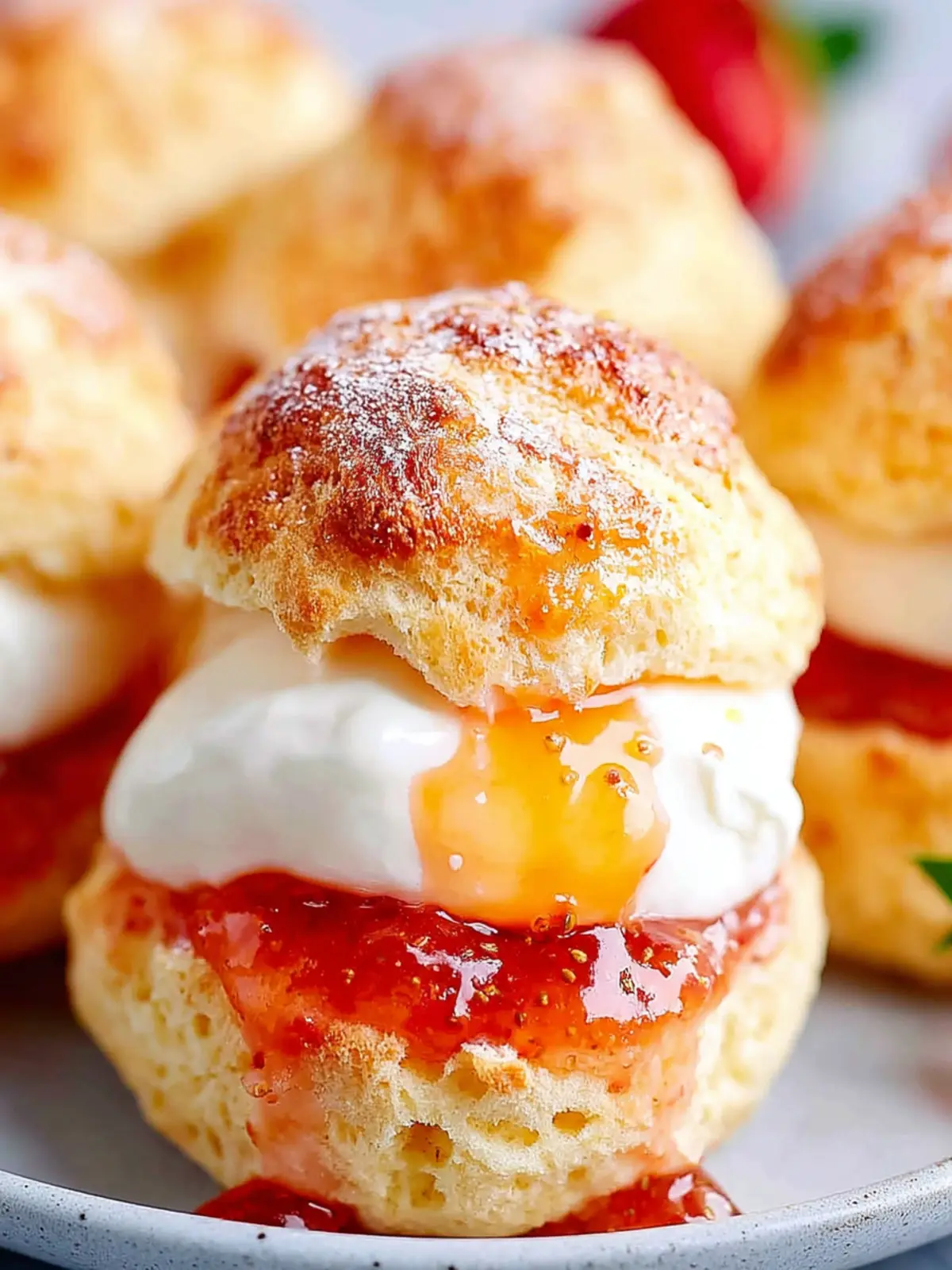
Baking scones at home is not only a rewarding experience but also an opportunity to customize flavors and textures to your liking. It’s no wonder that this simple yet elegant recipe has been a staple in British households for generations. Scones can be enjoyed on their own, topped with clotted cream and jam, or even paired with a dollop of lemon curd for an extra zing. With just a handful of ingredients, you can create these delightful pastries that evoke feelings of warmth and comfort.
What makes the British scones recipe so approachable is its flexibility. While traditional recipes often feature a classic combination of flour, butter, and milk, you can easily tweak the ingredients to incorporate your favorite additions—be it dried fruits like cranberries, zesty citrus peels, or even decadent chocolate chips. The key lies in keeping the dough light and fluffy, which is essential for achieving that signature scone texture.
In the upcoming sections, I’ll walk you through each ingredient and step, ensuring you feel confident and inspired to whip up your very own batch of scones. Whether you’re an experienced baker or a novice ready to expand your culinary skills, this British scones recipe promises to be a delicious adventure. So, let’s get those ovens preheated and dive into the world of scone-making!

Key Ingredients for British Scones Recipe
All-purpose flour: This is the backbone of your British scones recipe. Using all-purpose flour creates a tender texture that perfectly supports all the delicious flavors you’ll be mixing in. It provides structure while keeping the scones light and airy.
Granulated sugar: Just the right amount of granulated sugar sweetens your scones and helps create that delightful, slightly crispy crust on top. It balances the richness of the butter and the acidity of the lemon juice beautifully.
Baking powder: This essential leavening agent ensures your scones rise beautifully, giving them that signature fluffy interior that’s irresistible. Without it, your scones would come out dense, rather than light and tender.
Unsalted butter: A key ingredient for adding richness and flavor, it’s important that your butter is slightly soft for easy incorporation. This richness is what takes your scones to the next level.
Milk and lemon juice: The combination of milk and lemon juice keeps the dough moist while the acidity from the lemon enhances flavor and tenderness. It’s a subtle yet important detail that elevates your scones.
Eggs: Eggs are essential for binding the ingredients and adding more richness. For best results, use eggs at room temperature — they blend in more smoothly, creating a uniform dough.
Vanilla extract: A hint of vanilla extract gives depth to the flavor without overpowering the subtle lemony notes. It adds a layer of warmth that complements the scone.
Egg wash: This is what provides those beautiful golden finishes on the scones when baked. A simple brush over the top makes all the difference.
Additional granulated sugar: Sprinkling a bit of sugar on top before baking not only enhances sweetness but also adds a lovely touch of texture. It’s this detail that turns a good scone into a great one.
Why You’ll Love This British Scones Recipe
A little history behind scones and their significance
Every bite of a British scone carries a rich tapestry of history. Originating in Scotland in the 16th century, scones have evolved from simple, unleavened bread to the delightful treats we enjoy today. Traditionally served with clotted cream and jam, they play a pivotal role in British tea culture, symbolizing comfort and hospitality. These soft, flaky delights are a must-have during afternoon tea, providing a perfect contrast to the elegance of tea ceremonies.
Perfect for any occasion
Imagine gathering with friends or family for a cozy brunch, or perhaps hosting a charming tea party. This British scones recipe fits seamlessly into any event. Whether it’s a casual get-together or a special celebration, offering freshly baked scones will elevate your gathering and bring smiles all around.
Simple ingredients that are easy to find
One of the best parts about this recipe is its use of common kitchen staples. You won’t need to hunt down obscure items or spend a fortune; just grab:
- All-purpose flour
- Baking powder
- Butter
- Sugar
- Milk
- Optional add-ins like cranberries or chocolate chips
With these readily available ingredients, baking a batch of tender scones is both attainable and satisfying.
Great for breakfast or afternoon tea
These scones are perfect for balancing a quick breakfast or complementing your afternoon tea ritual. Lightly toasted with butter or adorned with cream and jam, they’re delightful any time of day. Whether you’re rushing out the door or enjoying a leisurely afternoon, this British scones recipe will quickly become your go-to treat.

Tips for Making Perfect British Scones
The journey to baking British scones begins with understanding a few key techniques that can elevate your creation from good to simply delightful.
Importance of Not Overworking the Dough
When making British scones, the texture is everything. Overworking the dough can lead to tough scones instead of the light and fluffy treats you desire. Mix your ingredients just until combined, allowing some lumps to remain. Think of it as a gentle hug for your dough—too much pressure will make it frown!
Why You Should Keep Your Ingredients Cold
Using chilled ingredients is crucial for creating the perfect scone. Cold butter and milk help the scones rise beautifully by producing steam in the oven, resulting in a flaky texture. For best results, consider chilling your flour and mixing bowl as well; it’s a small step that makes a big difference.
How to Achieve the Perfect Thickness When Rolling Out Dough
When rolling out your dough, aim for about an inch thickness. If you go too thin, your scones will bake too hard and flat. Use a gentle hand, and keep moving the dough in a circular motion to maintain an even thickness. A good trick is to use a rolling pin with measured guides for consistency.
The Role of Resting Time Before Baking
After cutting out your scones, allow them to rest for about 10 minutes before baking. This resting period lets the gluten relax, resulting in a tender, airy texture. Plus, it gives you the perfect opportunity to preheat the oven and prepare your favorite jam!
By following these tips, you’ll be well on your way to creating scones that stand out in both taste and texture, making your British scones recipe a coveted secret among friends and family.
Time Details for British Scones Recipe
When the craving for British scones strikes, understanding the timing can make all the difference. Those golden-brown delights can quickly transform a simple afternoon into a delightful experience if you plan it right.
Preparation time
The British scones recipe typically requires about 15 minutes for preparation. This includes measuring ingredients, mixing, and shaping the scones. It’s a wonderful moment to enjoy the aroma of baking as you work.
Baking time
Expect to spend around 15 to 20 minutes baking your scones. During this time, the kitchen fills with a tantalizing scent that’ll surely make it hard to resist sneaking a taste!
Total time
In total, you’re looking at approximately 30 to 35 minutes from start to finish. Just think, within half an hour, you could be indulging in warm, home-baked scones that pair beautifully with jam or clotted cream. It’s an effort that’s well worth it!
Nutritional Information for British Scones Recipe
The delightful British Scones Recipe might tempt you with its buttery goodness, but understanding the nutritional breakdown can enhance your baking journey. Here’s what you need to know:
Calories
Each scone contains approximately 200 calories, making it a delicious treat for your afternoon tea without going overboard.
Protein
You can expect around 4 grams of protein per scone, offering a bit of sustenance alongside that comforting sweetness.
Carbohydrates
With about 30 grams of carbohydrates, these scones are perfect for those looking to enjoy a light snack.
Fats
Each scone has roughly 8 grams of fat, primarily from the butter, which contributes to that rich, flaky texture we all love.
Understanding these nutritional details can make your leisurely tea times even more enjoyable, knowing exactly what you’re savoring. Happy baking!
FAQs about British Scones Recipe
When diving into the delightful world of a British scones recipe, it’s easy to find yourself swimming in questions. Whether you’re a budding baker or a seasoned pro, here are answers to some common inquiries to help guide you through your scone-making journey.
Adding Fruit or Nuts
Want to jazz up your scones? Absolutely, you can add fruit or nuts! Popular choices include dried fruits like raisins, cranberries, or apricots, and nuts such as walnuts or pecans. Just fold them into the dough gently to keep the scone texture light and fluffy. Remember, adding too much can weigh them down, so aim for about ¾ cup of extras for every batch.
Storing Leftover Scones
After enjoying a warm batch, you may have some scones left over. To store them, let them cool completely first, and then place them in an airtight container. They should stay fresh for about 2 days at room temperature. If you want to keep them longer, consider freezing them for up to a month.
Reheating Scones
For the best experience, reheat your scones gently. A quick 5–10 minutes in a preheated oven at 350°F (175°C) will bring back their fresh-baked flavor. Alternatively, you can microwave them for 15-20 seconds, but be cautious not to overdo it, or they might become rubbery.
Gluten-Free or Dairy-Free Variations
Curious about alternatives for dietary needs? You can easily tweak the British scones recipe. For gluten-free options, use a 1:1 gluten-free flour blend. For a dairy-free twist, substitute butter with coconut oil or a dairy-free spread, and opt for plant-based milk. These variations can make your scones just as delightful without compromising on taste.
Conclusion on British Scones Recipe
Making the British Scones Recipe is not just about following steps; it’s about creating something delightful that can brighten up your afternoon. We all know the joy of biting into a freshly baked scone, and this homemade version truly encapsulates that happiness.
I invite you to give this recipe a try and embrace the little victories of baking. Did you add a personal twist or perhaps a favorite jam? Please share your experiences and any variations you create! Your feedback could inspire others to bake their own batch of joy. Enjoy this scone adventure – I promise, it’s worth every crumb.
Print
Lemon Scones
- Total Time: 35 minutes
- Yield: 12 scones 1x
- Diet: Vegetarian
Description
Delicious and fluffy lemon scones, perfect for breakfast or a snack.
Ingredients
Scale
- 3 1/2 cups all-purpose flour
- 1/3 cup granulated sugar
- 2 tablespoons baking powder
- 8 tablespoons unsalted butter (cooled and just slightly soft-cubed)
- 3/4 cup milk
- 1 teaspoon lemon juice
- 2 large eggs (room temperature)
- 1/2 teaspoon vanilla extract
- 1 egg (for the egg wash)
- 2 teaspoons water
- 2 tablespoons granulated sugar
Instructions
- Preheat oven to 400°F.
- Line 2 baking sheets with parchment paper and set them aside.
- In a large bowl, whisk together flour, sugar, and baking powder.
- Next, add in the cubed butter, and either using a fork or your fingers, mix it into the flour until fully combined. The dough should look more like sand.
- After that, in another bowl, combine the lemon juice, eggs, and milk, and whisk until combined.
- Pour the wet ingredients into the dry ingredients. Using a spatula, stir until combined and a dough forms. After that, use your hands to knead the mixture into a smooth ball.
- Transfer the dough onto a lightly floured surface. Roll it into a circle that is 1 inch thick.
- Using a donut or round cookie cutter that is about 2 1/4-inch in diameter (even a wider glass will work), cut the dough into scones, dipping the cutter into flour between cuts.
- If you have remaining dough scraps, you can re-roll the dough and cut a scone or two.
- Transfer the scones onto the prepared baking sheet, not too close to each other.
- Make the egg wash by whisking the egg and water together with a fork. Lightly brush the tops of the scones and sprinkle them with sugar.
- Let scones rest for 12-15 minutes before baking.
- Bake in the preheated oven for 14-15 minutes, or until scones are risen and are lightly golden on top.
- Remove from the oven, and transfer the scones onto a cooling rack.
- Serve with tea or coffee, clotted cream or butter, and the jam of your choice.
Notes
- Ensure the butter is just slightly soft for easy mixing.
- For a sweeter scone, add extra sugar to the top before baking.
- Prep Time: 20 minutes
- Cook Time: 15 minutes
- Category: Baked Goods
- Method: Baking
- Cuisine: British
Nutrition
- Serving Size: 1 scone
- Calories: 200
- Sugar: 5g
- Sodium: 200mg
- Fat: 9g
- Saturated Fat: 5g
- Unsaturated Fat: 3g
- Trans Fat: 0g
- Carbohydrates: 30g
- Fiber: 1g
- Protein: 4g
- Cholesterol: 70mg